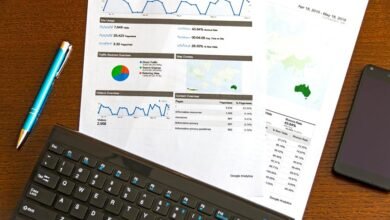
Operations Dashboard: 866-803-1343, 866-831-8898, 866-849-9972, 866-956-6283, 872-345-5019, 877 322 9724


Operations dashboards serve as essential instruments for enhancing business efficiency and fostering informed decision-making. By centralizing key performance indicators and operational metrics, these dashboards promote transparency and collaboration among teams. However, as organizational needs evolve, so too must the dashboards themselves. Support is available through several dedicated contact numbers, ensuring that businesses can optimize their dashboards effectively. The question remains: what specific strategies can organizations implement to fully leverage these resources?
Importance of Operations Dashboards in Business
Operations dashboards serve as pivotal tools for businesses, facilitating data-driven decision-making.
By integrating data visualization techniques, these dashboards present performance metrics in an accessible format, enabling leaders to swiftly assess operational efficiency. They empower organizations to identify trends, allocate resources effectively, and enhance overall productivity.
Ultimately, operations dashboards foster a culture of transparency and accountability, aligning teams with strategic objectives for greater autonomy and success.
Key Features of Effective Operations Dashboards
While the design of an operations dashboard may vary, several key features consistently define its effectiveness.
Prominent among these are intuitive data visualization tools that transform complex information into easily digestible formats.
Additionally, the inclusion of real-time performance metrics allows organizations to swiftly assess operational efficiency.
Together, these elements empower users to make informed decisions and enhance overall business agility.
Accessing Support for Operations Dashboard Optimization
Optimizing an operations dashboard requires a strategic approach to support that addresses specific organizational needs.
Effective optimization hinges on robust data analysis and the incorporation of user feedback, ensuring the dashboard evolves with changing demands.
Conclusion
In conclusion, operations dashboards play a critical role in driving business performance through data transparency and informed decision-making. As organizations evolve, the need for optimized dashboards becomes increasingly evident. Can businesses afford to overlook the importance of tailored support in enhancing these vital tools? By leveraging dedicated resources, companies can ensure their dashboards not only meet current demands but also adapt to future challenges, ultimately fostering greater productivity and alignment with strategic goals.