
Simply put, you choose the right incontinence pads by matching absorbency to your needs, measuring your body for proper sizing, and picking a style that fits your daily routine. The problem is, most people were never given this guidance.
Around 1 in 4 Australian adults live with some form of bladder or bowel leakage. Despite how common it is, many feel too embarrassed to ask questions about continence products.
At Ontex Healthcare, we help Australians find daily continence support through trusted brands and honest advice. We’ve seen how, without clear guidance, people often choose pads that don’t fit well or absorb enough. This can cause leaks, skin irritation, and extra stress you certainly don’t need.
That’s why, in this article, we’ll explain what to look for, how you can find the right fit, and where to get support. Let’s begin by looking at pads, absorbency, and fit.
What to Know Before You Buy: Pads, Absorbency, and Fit
Before you start buying incontinence pads, you need to understand three things: the type of product that suits your lifestyle, the absorbency level that matches your leakage, and the correct fit for your body shape.
Here’s how to get each one right.
Types of Incontinence Pads and Related Products
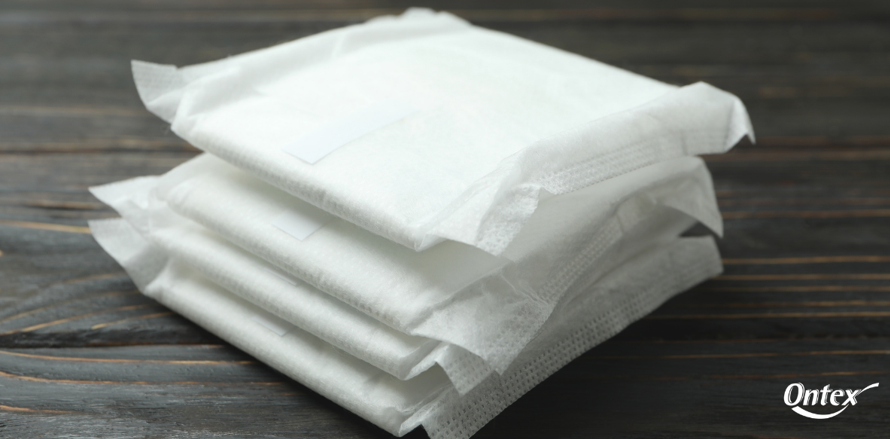
Absorbent pads fit inside your regular underwear and are best for light to moderate leaks during the day. But if you prefer something that feels more like normal underwear, pull-ups are a good option since they’re easy to pull on and off when you’re out and about. We recommend them to people who are active or need quick changes in public bathrooms.
For nighttime protection, bed pads sit on top of your mattress and help catch leaks while you sleep. This keeps your bed dry and makes cleanup easier in the morning.
And if one product doesn’t feel like enough, booster pads slip inside other continence products to give you extra absorbency when you need it most.
How to Choose the Right Absorbency Level
You choose the right absorbency by matching it to how much you leak and how often it happens.
For example, light pads handle occasional drips or small dribbles throughout the day, which makes them ideal for minor stress incontinence. But moderate pads are a better choice if you experience more frequent leaks or small gushes.
Now, for heavier leakage, heavy-absorbency pads are the obvious choice. They absorb larger volumes and last longer between changes, which gives you more freedom to go about your day without constant worry.
Pro tip: Overnight products hold more than daytime pads because they are designed for eight or more hours of wear. If you wake up wet even with a regular pad, switching to a dedicated night product can help you stay dry through the night and sleep more comfortably.
Fit and Comfort
Most leaks and skin irritation happen because of a poor fit. Pads that are too large, for instance, leave gaps around the legs, which lets urine escape and defeats the purpose of wearing protection in the first place. On the other hand, pads that are too small won’t cover enough area and may move out of place during activity.
Remember that the right fit should feel snug against your body without digging into your skin or leaving red marks.
It’s also worth thinking about how the pad sits under your clothing. If you want something discreet for work or social outings, look for thinner profiles that won’t show through your clothes.
See also: How Multilingual Patient Support Reduces Health Disparities in Diverse Communities
Features That Protect Skin and Confidence
Odour control features trap smells, so you can be around others without worrying about unpleasant odours. Or you can consider pads with breathable layers that reduce moisture buildup against your skin altogether. This is especially important if you’re wearing pads for long periods, as it helps prevent rashes and irritation.
Now, when it comes to choosing between disposable and reusable products, both have their place.
Disposable pads are convenient because you throw them away after use, and they usually absorb more liquid. Reusable pads, on the other hand, save money over time and create less waste. However, they need regular washing and often hold less liquid.
We’d recommend using a mix of both depending on your situation. For example, you could wear reusable pads at home and use disposable ones when you’re out or traveling.
Resources and Tips for Choosing the Right Incontinence Products
There are plenty of resources and tips available to help you choose the right incontinence products. You can even find free support that can guide you to the products that suit your needs.
Below, we’ll share some practical tools you can start using today.
Speak with a Nurse or Get Free Support
The National Continence Helpline (1800 33 00 66) will connect you with nurse continence specialists who can answer your questions over the phone. This service is free, confidential, and funded by the Australian Government Department of Health. You don’t need a referral to call, and interpreters are available if English isn’t your first language.
These nurses have years of experience helping people just like you. So, you can trust them to recommend products, explain funding options, and point you toward local continence clinics if you’d prefer face-to-face support.
Tools That Make Life Easier
The National Public Toilet Map is a free app and website that shows more than 22,000 public toilets across Australia. You can search by location, plan toilet stops for road trips, and filter results by accessibility features. It’s a handy tool we often recommend that can take some of the worry out of leaving the house.
You’ll also notice that most product manufacturers include helpful usage tips on their packaging. Plus, many retailers have online chat tools where you can ask questions before you buy.
These small things can help you choose the right product and feel more confident in your decision.
There’s No Such Thing as a Silly Question
Managing incontinence can feel confusing at first, and it’s perfectly normal to have questions along the way. Should you size up or down? Do you need a different product for nighttime? Is it okay to try a few brands before you settle on one?
The answer to all of these is yes. That’s because trial and adjustment are part of the process. It’s the only way you can find your perfect fit. And the more you learn about what works for your body, the more confident you’ll feel day to day.
So don’t let embarrassment hold you back from getting the help you need.
Pick the Right Incontinence Pads for Your Needs
So, do you feel more confident about choosing incontinence pads now? We hope this guide has helped clear up some of the confusion around sizing, absorbency, and fit.
It’s normal to worry about picking the wrong product or wasting money on something that doesn’t work. You might need to try a few options before you find what suits your body and lifestyle best. And that’s okay. The most important thing is not to settle for discomfort or leaks when better daily continence support is out there.
If you need a hand, reach out to a nurse, chat with a retailer, or contact our team at Ontex Healthcare. We’re happy to help you find the right fit so your next purchase feels like the right one.
Disclaimer
This blog provides general health and product information for educational purposes only. It is not intended to diagnose, treat, or replace advice from your healthcare professional. Always seek guidance from your GP, nurse, continence advisor, or pharmacist regarding your individual needs. If symptoms persist or you’re unsure about product use, consult a qualified healthcare provider.