Building codes exist to protect homeowners by ensuring roofs are safe durable and structurally sound. These regulations cover everything from materials and installation methods to ventilation and load requirements. Because codes can vary by location and are updated regularly, compliance requires detailed knowledge and consistent oversight. Working with a roofer in Milton often means relying on professionals who understand how local and state requirements apply to each roofing project. Roofing companies focus on accurate planning and inspection to make sure every phase of work aligns with current standards. Understanding how this process works helps explain why professional oversight is essential for compliant roofing systems.
Staying Current With Local and State Building Codes
One of the primary ways roofing companies ensure compliance is by staying informed about building code updates. Regulations change over time as safety standards evolve and new materials become available. Professional roofing teams regularly review code revisions and attend training sessions to remain aligned with current requirements.
Local codes may differ from statewide guidelines depending on climate zoning, wind ratings, or structural conditions. Roofing companies evaluate these variations before work begins so that installation plans match the specific jurisdiction. This preparation reduces the risk of violations and ensures roofs meet inspection requirements.
Material Selection That Meets Code Standards
Building codes often specify approved materials based on fire resistance, wind uplift, and load capacity. Roofing companies select materials that meet or exceed these standards to ensure durability and safety. Using approved products helps roofs perform reliably under local environmental conditions.
Material compatibility is also evaluated. Roofing systems include multiple components such as underlayment, flashing, and fasteners. Each element must work together in a way that aligns with code requirements. Professional oversight ensures that all materials are installed as a complete, compliant system.
Installation Techniques and Structural Integrity
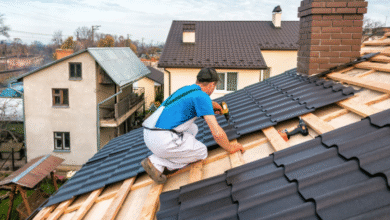
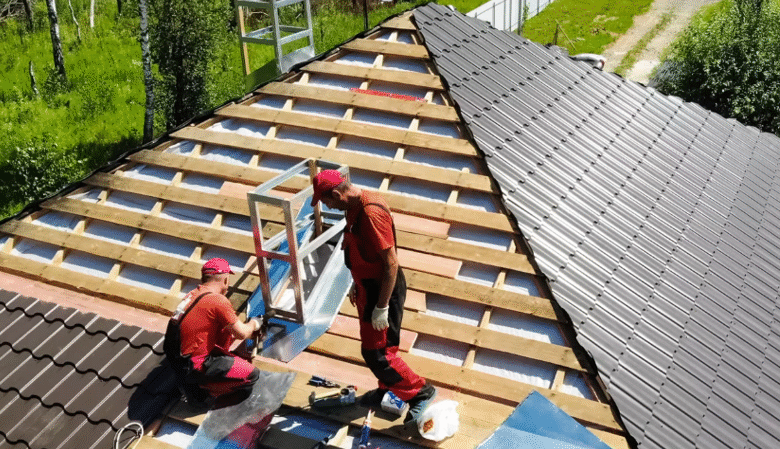
Correct installation plays a major role in code compliance. Even approved materials can fail inspections if installed incorrectly. Roofing companies follow manufacturer guidelines and building codes when fastening materials, sealing joints, and aligning components.
Structural considerations, such as roof decking attachment and load distribution, are carefully reviewed. These factors affect how the roof responds to wind, rain, and temperature changes. Proper installation helps maintain compliance and supports long-term roof performance.
Ventilation and Energy Efficiency Requirements
Building codes include ventilation standards designed to regulate temperature and moisture levels within the roof system. Proper ventilation prevents heat buildup, condensation, and material degradation. Roofing companies assess attic airflow and design ventilation systems that align with code specifications.
Energy efficiency considerations are also addressed. Codes may require insulation alignment and reflective materials, depending on the climate zone. These requirements help improve overall building performance while maintaining compliance.
See also: How Airoom Ratings Reflect Accountability and Transparency
Inspection Coordination and Issue Resolution
Roofing companies coordinate required inspections at key project stages. Inspectors verify that work meets approved plans and code requirements. If adjustments are needed, professionals address them promptly to maintain project progress and compliance.
Understanding whether roofers work in the winter and what they do helps clarify how seasonal conditions affect scheduling inspections and installation methods. Roofing companies adapt processes to meet code requirements regardless of timing. Licensed and insured roofing companies operate under professional accountability. Compliance is not optional but a fundamental responsibility. Companies document work and follow established protocols to ensure transparency and regulatory alignment. This structured approach helps protect homeowners and ensures roofing systems meet safety expectations.
Conclusion
Roofing companies ensure building code compliance through careful planning, material selection, proper installation, and ongoing oversight. By staying informed about regulations, managing permits, and coordinating inspections, professionals align every project with required standards. This commitment to compliance supports roof safety, durability, and long-term performance. Understanding these processes highlights the importance of professional expertise in delivering roofing systems that meet both regulatory and structural expectations.