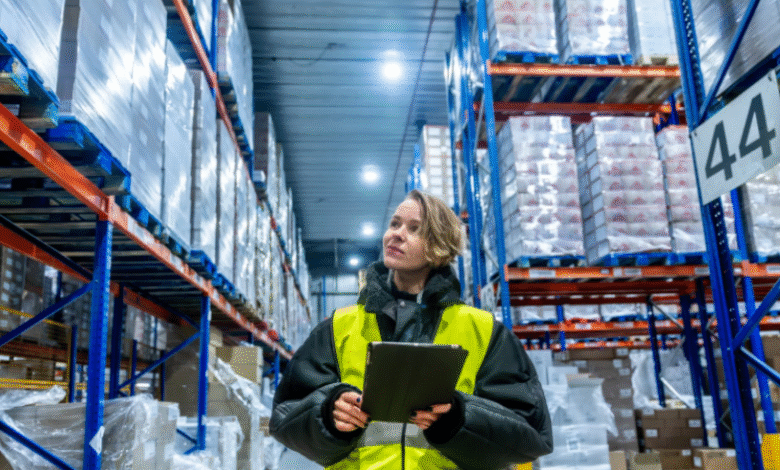
Warehouse operations rely on structure, and one of the most important structures in any facility is the racking system. It supports daily inventory movement, keeps products organized, and helps teams maintain a consistent workflow. However, racking systems are often taken for granted until a serious issue appears. Over time, small impacts, heavy loads, and constant equipment traffic can weaken storage structures without obvious warning signs. That is why routine inspection and maintenance are essential for long term safety and efficiency. A well-maintained industrial racking setup helps reduce risk, protect inventory, and ensure warehouse teams can work without disruption or unnecessary hazards.
Why inspections are critical for warehouse safety
Industrial racking systems carry heavy weights every day, and even minor damage can create major danger if ignored. Forklift impacts, misloaded pallets, and wear over time can cause beams to bend, connections to loosen, or anchors to shift. These problems may not lead to immediate failure, but they weaken the system and raise the risk of accidents.
Regular inspections help warehouses identify problems early. This allows teams to repair damaged components before a small issue turns into a serious hazard. Inspections also support safer equipment movement because they confirm that rack spacing, alignment, and load support remain stable.
How overlooked damage can affect employees and inventory
Damage not only risks the racking system. It can also impact employee safety by creating unstable loads and increasing the chance of falling inventory. A rack failure can cause serious injury, product loss, and major operational downtime.
Even without a full collapse, damaged racks can create daily risks. Leaning beams, loose connectors, or uneven shelving can cause pallets to shift unexpectedly. These hazards increase stress for forklift operators and reduce confidence in the safety of the storage environment.
Keeping racking reliable during high-volume operation
High-volume warehouses place more strain on racking systems because pallets are constantly being loaded and removed. This repeated movement increases the chances of impact and stress damage. Regular maintenance ensures the system continues to meet operational demands without forcing teams to work around damaged areas.
A reliable racking system also supports better inventory control because staff can store and retrieve products without improvising storage locations. That structure helps maintain organization during busy periods when mistakes are more likely.
Why does correct installation prevent future maintenance problems
Many racking problems begin during installation. Improper anchoring, incorrect spacing, and poor alignment can lead to instability that becomes worse over time. When racking is installed correctly, maintenance becomes easier, and the system remains more reliable under daily use.
Warehouses that want to reduce long-term issues often focus on prevention as much as repair. Understanding common mistakes to avoid when installing industrial racking systems helps prevent safety risks, reduce long term repair costs, and ensure the layout remains stable, efficient, and compliant under daily warehouse demands.
See also: How SEO Boosts Bariatric Digital Marketing Efforts
The value of professional support and consistent follow-up
Professional installation and scheduled inspections create stronger stability across warehouse operations. When experienced teams plan the layout and install systems correctly, the warehouse benefits from better load management and safer equipment access. Routine follow-ups also help ensure that racking stays aligned with workflow changes. As warehouse operations evolve, inspection routines make it easier to adjust racking zones and maintain safety without major disruption.
Conclusion
Industrial racking inspections and maintenance are essential for protecting warehouse operations, improving safety, and maintaining long term efficiency. Regular inspections help detect early damage, prevent serious hazards, and keep inventory secure under daily load pressure. Maintenance ensures racking remains stable, organized, and supportive of smooth workflow, especially during high-volume demand periods. By prioritizing consistent checks and addressing issues early, warehouses can reduce downtime, protect employees, and keep storage systems performing reliably over time.