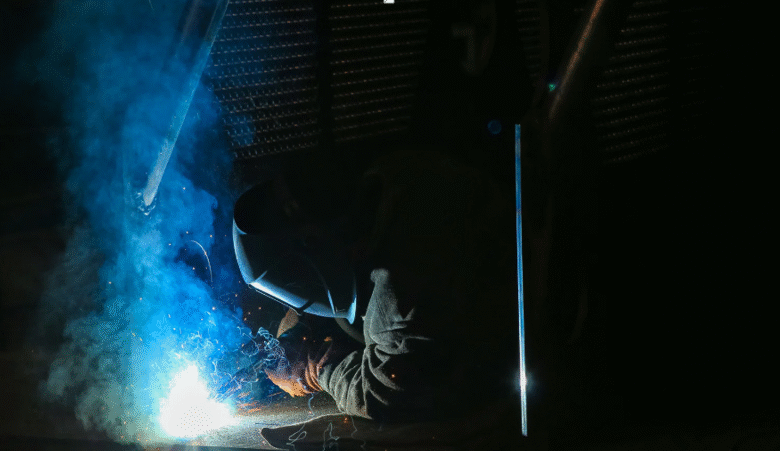
Welding environments naturally generate smoke, fumes, and fine particles that can linger in the air long after work begins. These airborne byproducts affect not only visibility and comfort but also long-term health and productivity. As awareness of workplace air quality grows, many professionals evaluate whether investing in a smoke extractor for welding is a practical decision or an unnecessary expense. Understanding the real impact of welding fumes and how extraction systems function helps clarify their value in modern welding operations.
Understanding the True Cost of Welding Fumes
Welding fumes contain microscopic metal particles and gases produced when materials are heated and fused. These particles are small enough to remain suspended in the air and be inhaled deeply into the lungs. Over time, repeated exposure can lead to respiratory irritation, fatigue, and reduced concentration, even in well-ventilated spaces.
Beyond health concerns, uncontrolled fumes also affect the workspace itself. Smoke buildup reduces visibility, increases residue on equipment, and can interfere with precision work. These factors can slow production, increase errors, and contribute to premature wear on tools and machinery. When viewed through this broader lens, the cost of unmanaged fumes extends beyond health alone.
How Fume Extractors Improve Daily Welding Operations
Fume extractors are designed to capture smoke and particles as close to the source as possible before they spread throughout the work area. By removing contaminants early, these systems significantly reduce the concentration of airborne pollutants. This creates clearer air, improved visibility, and a more comfortable working environment.
Cleaner air supports better focus and consistency during welding tasks. When visibility improves and irritation is reduced, welders can maintain accuracy for longer periods without unnecessary strain. Over time, these improvements can positively influence productivity and overall workflow efficiency.
Evaluating Different Extraction System Options
Not all fume extractors serve the same purpose, and their value often depends on how well they align with the welding environment. Some operations require flexible solutions that adapt to changing layouts, while others benefit from fixed systems designed for continuous high-volume work. Understanding mobile vs stationary fume extraction units helps clarify how different configurations meet specific needs. Mobile systems offer adaptability for varied workstations, while stationary units provide consistent coverage in dedicated production areas. Evaluating these options ensures that the investment delivers practical benefits rather than unused capacity.
See also: Leveraging Technology for Efficient MEP and Electrical Estimating Services
Balancing Investment With Practical Value
The value of a fume extractor should be measured not only by upfront cost but by its contribution to long-term efficiency, health protection, and equipment preservation. When these factors are considered together, the return on investment becomes clearer. Systems that align with production needs tend to deliver consistent benefits without disrupting workflow. Rather than viewing extraction as an optional upgrade, many facilities recognize it as a core component of responsible welding operations. Proper air quality management supports both short-term performance and long-term sustainability.
Conclusion
Fume extractors offer clear advantages by reducing hazardous smoke, improving visibility, and supporting healthier working conditions. When chosen to match the specific needs of a welding environment, they contribute to productivity, equipment longevity, and workforce well-being. For many welders and facilities, the benefits of effective fume extraction extend well beyond air quality, making it a worthwhile consideration in modern welding operations.